Xander Weber · 13 September 2026
Mapping the Landscape of Non-Traditional Referral Channels for Niche Web Properties
Specialized websites continue to explore alternatives to mainstream search and paid advertising as referral traffic sources diversify across digital platforms, and data from multiple regions shows measurable shifts in how audiences discover niche content through indirect pathways rather than direct queries.
Defining Non-Traditional Referral Mechanisms
Non-traditional referral channels operate outside standard search engine optimization pipelines and conventional display networks, relying instead on organic mentions within closed communities, cross-site content collaborations, and platform-specific sharing behaviors that connect users through shared interests rather than algorithmic rankings, while researchers at institutions across North America and Europe have documented consistent patterns in how these pathways deliver targeted visitors to smaller web properties.
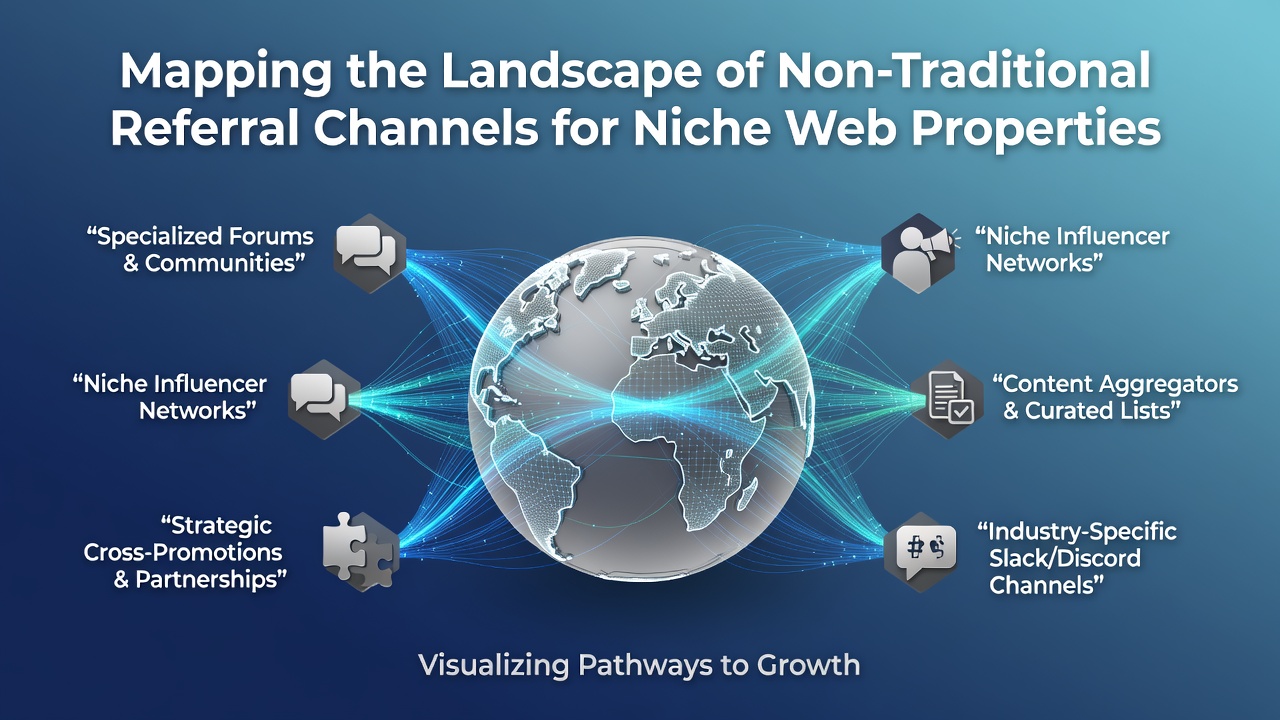
These channels include moderated discussion boards, private messaging groups, newsletter exchanges, and micro-influencer mentions that accumulate over time without requiring large advertising budgets, and observers note that niche sites in sectors such as hobbyist equipment reviews, regional service directories, and specialized educational resources have recorded steady increases in session referrals from these sources since the mid-2020s.
Community Platforms and Forum Ecosystems
Long-standing discussion forums and newer real-time chat environments function as primary discovery points where users share links based on direct relevance rather than commercial intent, and studies indicate that active participation by site operators in topic-specific threads often leads to repeated referral streams that maintain quality over extended periods.
Geographic variations appear in platform preferences, with certain regions favoring localized boards while others rely on global English-language hubs, yet the underlying mechanism remains consistent as engaged members forward content that matches precise needs within their circles.
Partnership Models and Content Swaps
Structured collaborations between independent sites take multiple forms including reciprocal article features, joint resource pages, and coordinated launch announcements that direct audiences across properties without monetary transactions, and figures from industry analyses reveal these arrangements produce higher retention rates compared to random backlink placements in many documented cases.
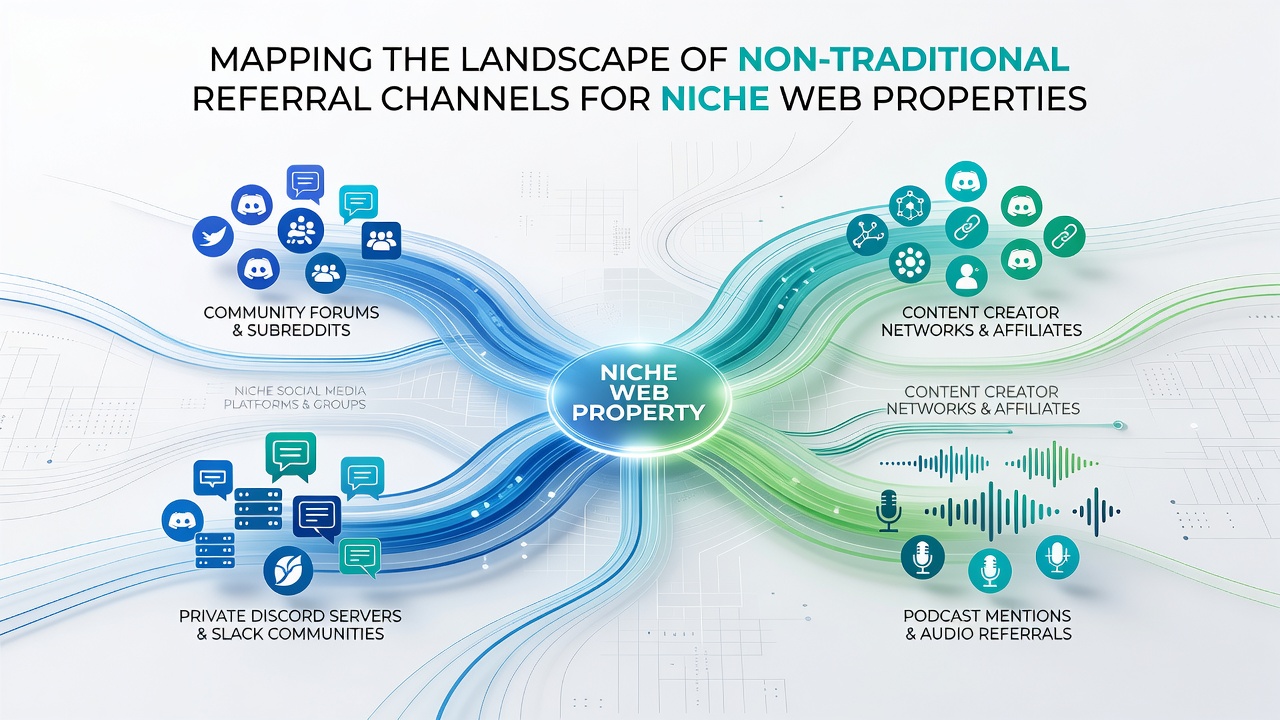
One documented approach involves thematic roundups where multiple sites contribute short segments on a shared subject, creating mutual exposure that compounds across participating domains, while another method centers on private Slack or Discord communities where operators exchange audience access through guest posts and resource lists.
Emerging Trends Observed Through September 2026
Activity logs and referral analytics compiled through September 2026 highlight growth in audio mention programs and newsletter sponsorship swaps that connect complementary audiences, and reports from research organizations in Canada and Australia show these methods gaining traction among sites with highly specific content focuses that struggle to compete in broad search results.
Platform policy adjustments during this period also influenced channel viability, prompting operators to diversify across multiple communities simultaneously rather than depending on any single source, and external data from the Federal Trade Commission on disclosure practices continues to shape how these referrals are presented to maintain compliance across borders.
Tracking Performance and Attribution
Analytics configurations for non-traditional channels require custom tagging and multi-touch attribution models because standard referral strings often fail to capture the full path from initial mention to site visit, and technical documentation from platform providers outlines methods for integrating UTM parameters into shared content without disrupting user experience.
Longitudinal data collection reveals seasonal fluctuations tied to community events and content release cycles, allowing operators to align their own publishing schedules with peak referral windows observed in prior periods.
Conclusion
Non-traditional referral channels represent an expanding set of options for niche web properties seeking sustainable audience connections through community engagement and targeted partnerships, with patterns documented across multiple jurisdictions confirming their role alongside established traffic methods. Continued monitoring of platform changes and performance metrics supports ongoing refinement of these approaches as the digital referral environment evolves.