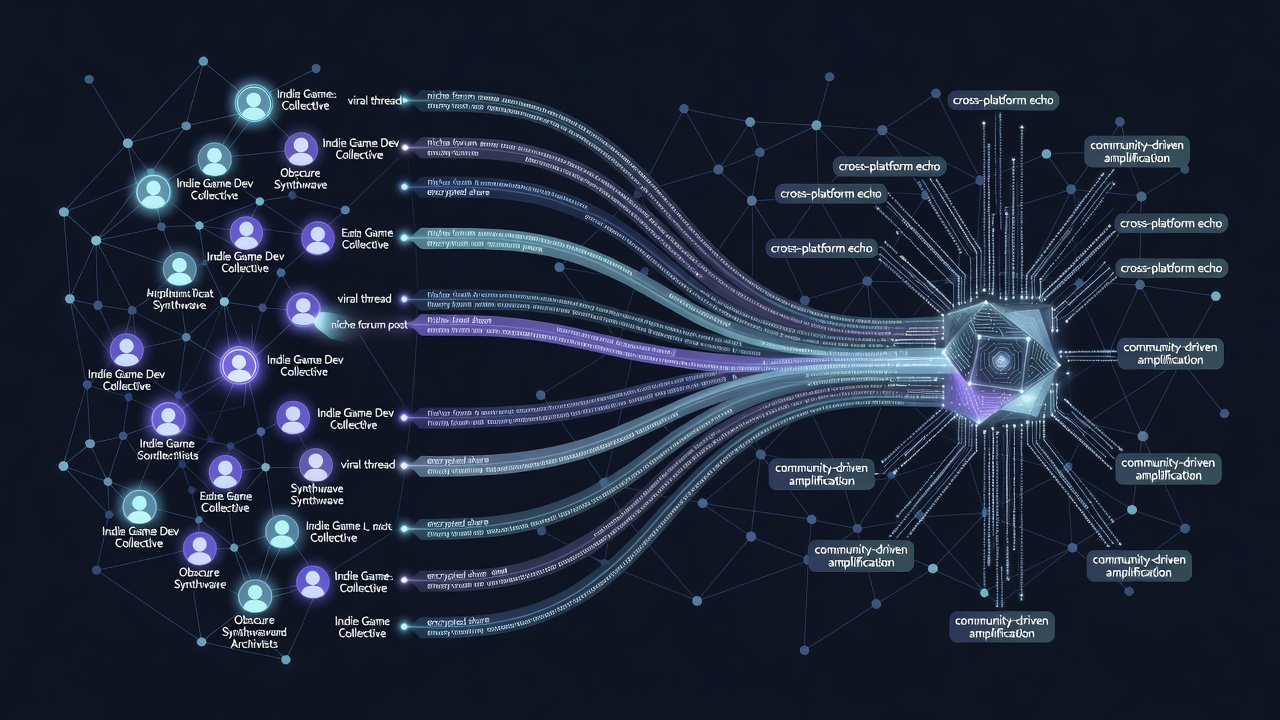
Xander Weber · 27 September 2026
Examining the Interplay Between Micro-Communities and Content Propagation in Non-Mainstream Digital Spaces
Micro-communities operate as tight-knit clusters within platforms that sit outside the reach of major social networks, and these groups shape how information travels through private forums, encrypted chats, and specialized boards. Observers note that such spaces often rely on invitation-only access or shared language codes, which in turn influences the speed and direction of content movement. Researchers have documented cases where ideas originate in these clusters before migrating to wider audiences through subtle cross-posting or member migration, while data from multiple studies highlights the role of trust-based networks in sustaining that flow.
Characteristics of Micro-Communities in Niche Environments
People who participate in these clusters typically share narrow interests ranging from obscure hobbies to technical troubleshooting, and they maintain boundaries through moderation rules or cultural norms that filter outsiders. According to findings from academic analyses, these environments favor threaded discussions and archival posts over ephemeral feeds, which creates persistent records that members reference repeatedly. In September 2026 researchers tracking European digital patterns observed an uptick in activity on regional servers where users exchanged localized resources without triggering mainstream indexing tools.
Groups like this frequently use custom bots or pinned resources to organize information, whereas broader platforms depend on algorithmic ranking. Those who've examined the structures point out that member retention correlates with consistent moderation and shared history, and this stability supports ongoing content refinement rather than one-off shares. Evidence from Canadian research institutions shows that smaller clusters often develop internal lexicons that outsiders must learn, thereby slowing external leakage while accelerating internal consensus.
Mechanisms Driving Content Propagation
Content moves through these spaces via direct forwarding, quote chains, and collaborative editing sessions that participants conduct in real time. Data indicates that propagation accelerates when members hold overlapping roles across several related clusters, allowing parallel distribution without centralized coordination. Studies reveal that non-mainstream channels such as invite-only Discord servers or regional BBS networks favor text-based artifacts and image macros that embed contextual cues, which helps messages retain meaning as they circulate.
Yet the process differs from viral mechanics on large platforms because reach depends on personal vouching instead of public metrics. Observers have tracked instances where a single document posted in one cluster prompted derivative versions in adjacent groups within hours, and this pattern repeated across time zones due to asynchronous access. Figures from industry reports compiled by EU digital policy groups demonstrate that such organic spread often evades detection by standard monitoring systems until volume thresholds are crossed.
Observed Patterns in Content Flow Across Clusters
Analyses of archived threads show recurring sequences where initial posts receive layered annotations from core members before wider distribution occurs. Researchers discovered that content carrying practical utility, such as toolkits or troubleshooting guides, tends to persist longer than opinion-based material, and this durability reinforces community value. In one documented sequence from mid-2026, a technical specification first shared in an engineering-focused micro-community underwent multiple revisions across linked servers before surfacing in open repositories.
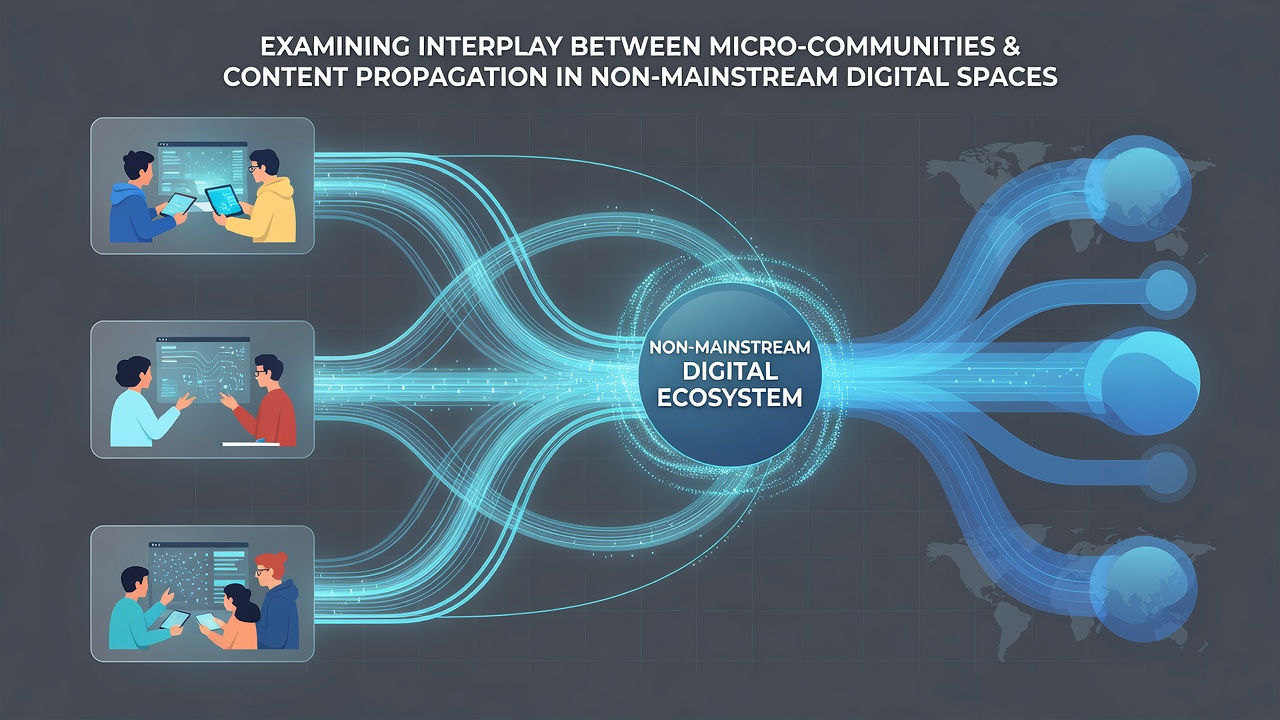
Additional examinations reveal that cross-cluster links form through shared members who act as bridges, carrying context along with the material. Data from university-led projects in Australia indicates that these bridge roles correlate with higher influence scores inside individual groups, and the same individuals often curate summaries that adapt tone for each destination. Propagation therefore follows relational maps rather than broadcast schedules, which produces uneven but resilient dissemination.
Interdependencies Between Group Dynamics and Spread Velocity
Group size interacts with content type to determine how far and how fast material travels, and smaller clusters prioritize depth over breadth. Evidence suggests that high-trust environments encourage riskier or more specialized sharing because participants assume continued access to clarifying context. Those studying the interplay have noted that feedback loops emerge when propagated content returns to origin clusters in altered form, prompting further iteration and renewed distribution.
External events can trigger temporary spikes, yet internal norms usually reassert control once the immediate stimulus fades. Reports compiled by North American research networks illustrate that clusters with established archiving practices retain institutional memory, which in turn supports faster onboarding of new members who then participate in propagation. The resulting cycle sustains content relevance across months rather than days.
Conclusion
The documented relationships between micro-community structures and propagation pathways demonstrate measurable differences from mainstream digital flows, and ongoing monitoring by regional agencies continues to map these distinctions. Patterns observed through 2026 underscore the importance of relational trust and archival continuity in sustaining niche information ecosystems. Further data collection from varied geographic sources will refine understanding of how these dynamics evolve alongside platform changes.