Sofia Schmid · 25 October 2026
Decoding the Pathways of Influence from Isolated Digital Clusters to Global Search Trends
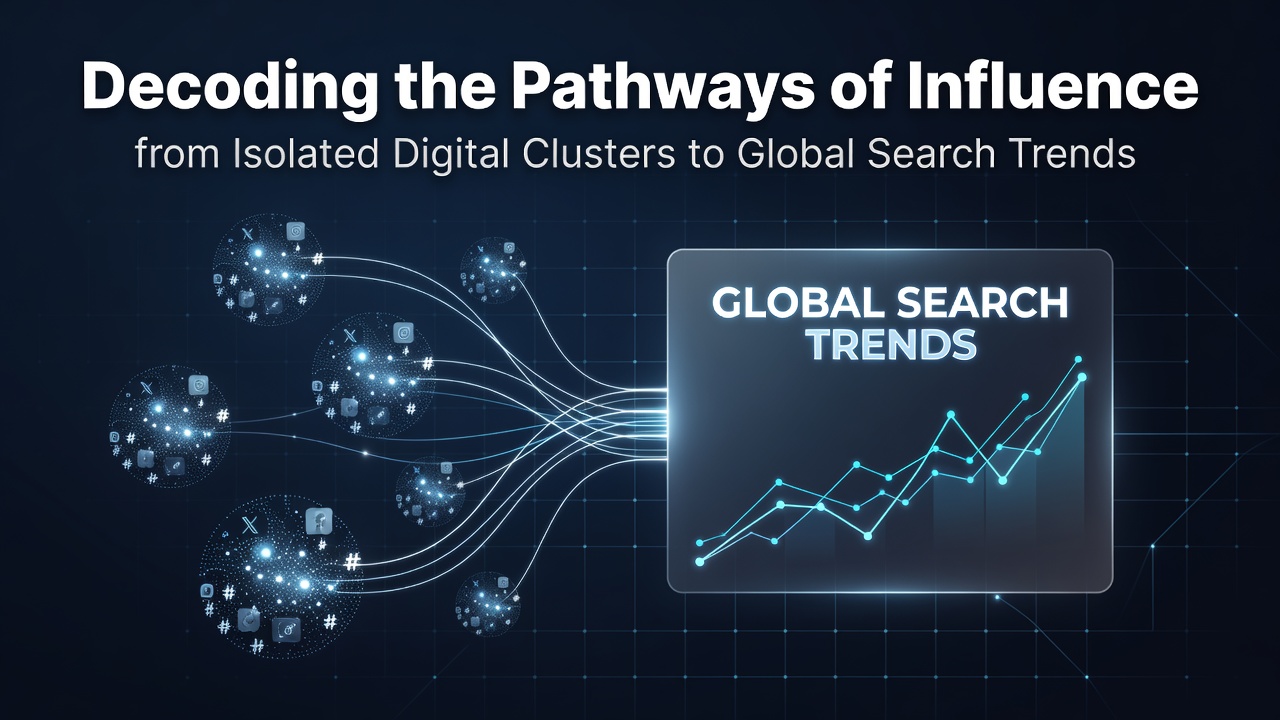
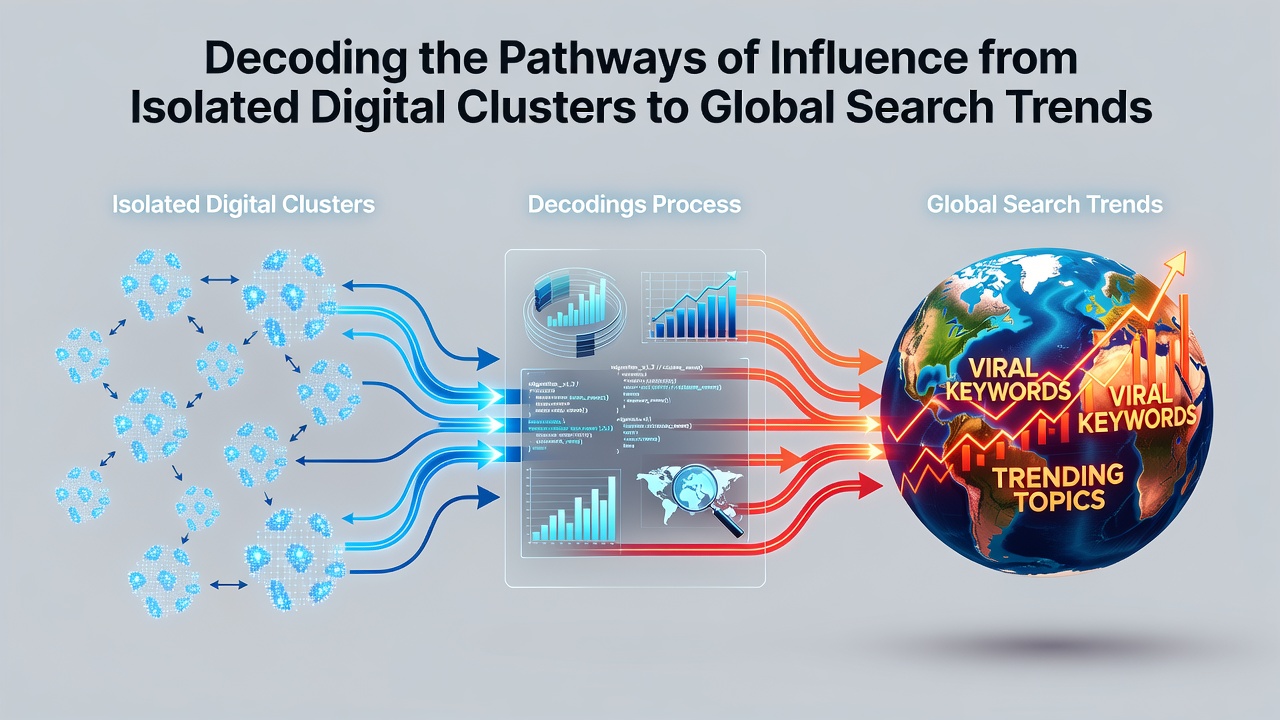
Isolated digital clusters form in private forums, encrypted chat groups, and specialized platforms where participants exchange ideas away from mainstream visibility, and these environments generate content that later surfaces in public search data. Researchers track this movement through patterns in query volume, backlink emergence, and indexing timelines that search engines record across multiple regions.
Formation and Characteristics of Digital Clusters
Small groups operate on platforms with limited indexing, such as invite-only servers or regional discussion boards, where members refine terminology and test concepts before wider distribution occurs. Data collected by academic institutions shows these clusters often develop unique phrases or references that gain internal consistency first, and external observers note the gradual appearance of those same terms in public logs months later. In October 2026, analysis of European internet usage patterns revealed clusters in Eastern Europe contributing early signals for certain technology-related queries that later ranked in multiple countries.
Clusters differ from open social networks because participation requires sustained engagement rather than passive scrolling, which creates denser information exchange within bounded membership. Studies from research centers indicate that content originating here carries higher internal trust signals, leading members to reference it repeatedly before any external sharing begins.
Pathways of Content Movement
Content travels outward through cross-posting by individuals who belong to multiple spaces, through migration of active users to larger platforms, and through algorithmic recommendations that detect rising internal activity. Observers document cases where a term discussed in one cluster appears in related groups within weeks, followed by indexing in public search results after additional weeks or months. This sequence relies on measurable signals including increased mention frequency and the formation of new hyperlinks that crawlers eventually follow.
Search engines register these movements when previously rare phrases begin appearing in user queries from diverse geographic areas, adn figures from international reports confirm that early cluster activity correlates with later trend spikes. The process accelerates when cluster participants create derivative content that incorporates external context, making the material more discoverable to broader audiences.
Role of Algorithms and Indexing Systems
Search algorithms assign value based on freshness, authority signals, and user engagement metrics that evolve as content spreads beyond initial clusters. When isolated discussions produce consistent terminology, those terms become detectable through query log analysis, allowing engines to surface related results even before widespread adoption occurs. Reports from the Organisation for Economic Co-operation and Development highlight how digital content flows across borders contribute to synchronized query trends in multiple markets simultaneously.
Indexing systems prioritize pages that receive links from diverse sources, and content that begins in clusters often gains these links through gradual expansion rather than coordinated campaigns. Data indicates that the time lag between cluster emergence and global visibility varies by topic category, with technology and cultural references showing shorter intervals than other subjects.
Documented Examples of Influence Pathways
One documented sequence involved terminology developed in a North American hobbyist group that later appeared in European query data after participants shared adapted versions on public sites. Another instance tracked a set of regional phrases from Australian discussion boards that influenced search rankings in Asian markets following user migration and content repurposing. These cases demonstrate measurable progression from limited visibility to broader indexing without requiring centralized promotion.
Academic analyses of web archives reveal that certain clusters maintain internal archives which later serve as source material for external creators, and this reuse pattern strengthens the connection between early discussion and later search prominence. Figures from university-led studies show correlation coefficients between cluster activity timestamps and subsequent global search volume increases.
Measurement Approaches and Data Sources
Analysts employ query log examination, link graph mapping, and temporal analysis to trace influence routes from clusters outward. These methods rely on publicly available datasets supplemented by proprietary engine signals that reveal when new terms enter common usage. Government statistical agencies in Canada and Australia publish periodic reports on digital content consumption that provide additional context for understanding how localized discussions scale.
Tools that monitor backlink acquisition and mention frequency allow researchers to quantify the speed of propagation, and evidence from multiple studies confirms that clusters with higher internal interaction rates produce content that travels farther. The combination of these measurement techniques produces timelines that connect initial cluster formation to eventual appearance in top search results across regions.
Conclusion
Pathways from isolated digital clusters to global search trends operate through identifiable mechanisms of content refinement, cross-group sharing, and algorithmic detection that researchers continue to document. Data from international sources demonstrates consistent patterns in how terminology and concepts move from limited environments into broader visibility, with timing influenced by engagement levels and platform characteristics. Continued observation of these routes provides factual insight into the dynamics of online information flow.